How to buy the Best Firewood In the Kingston area
What Firewood Pops the Most?
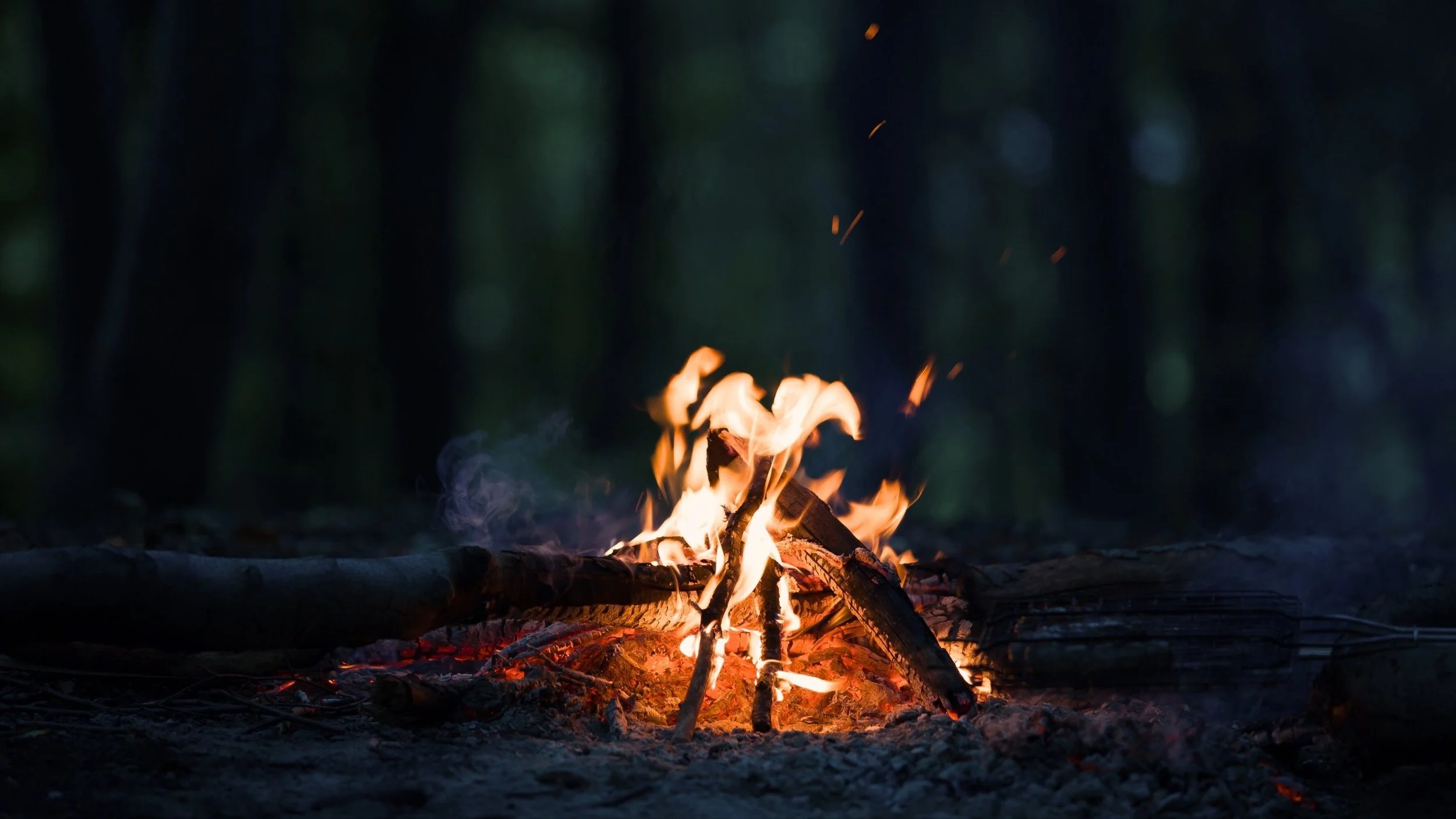
So there I was, December night about three years back, showing a buddy how to get his new fire pit going. He'd bought a bundle of cedar from some gas station, all excited for his first winter fire. Twenty minutes in, a chunk explodes like a firecracker and sends a burning ember straight into his new patio cushion. Left a hole the size of a toonie. He looks at me and goes, "Is it supposed to do that?" Short answer: Some woods pop like crazy, some barely make a sound. If you're burning indoors or you've got anything flammable nearby, it matters. A lot.
Why Firewood Pops in the First Place
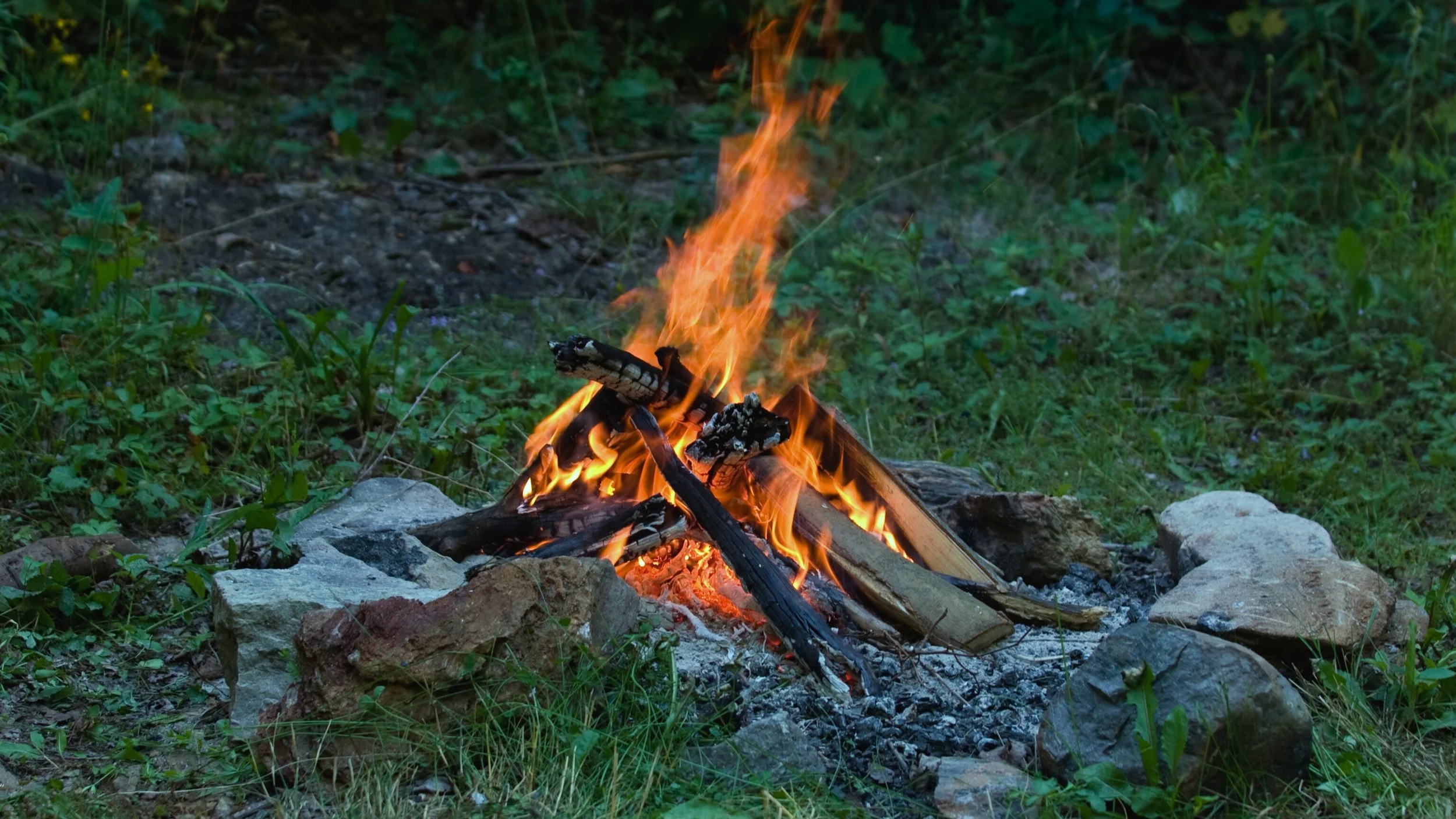
When wood burns, any moisture trapped inside turns to steam. Steam needs to go somewhere. In green or poorly seasoned wood, there's still a bunch of water sitting in the cells. That water heats up, turns to vapour, builds pressure, and eventually it pops. The wood literally explodes to release the steam. But moisture's only part of the story. The other culprit is resin and sap, which are where softwoods become the real troublemakers. Pine, spruce, and cedar have pockets of resin throughout the wood. When those pockets heat up, the resin vaporizes and builds pressure until the wood can't contain it anymore. You get a sharp crack and a shower of sparks. It's the same principle as moisture, just with sticky, flammable tree sap instead of water. The thing is, even well-seasoned softwood will pop because that resin doesn't go anywhere during the seasoning process. You can dry pine for two years and it'll still have those resin pockets ready to go off. That's just the nature of the wood.
The Woods That Pop The Most
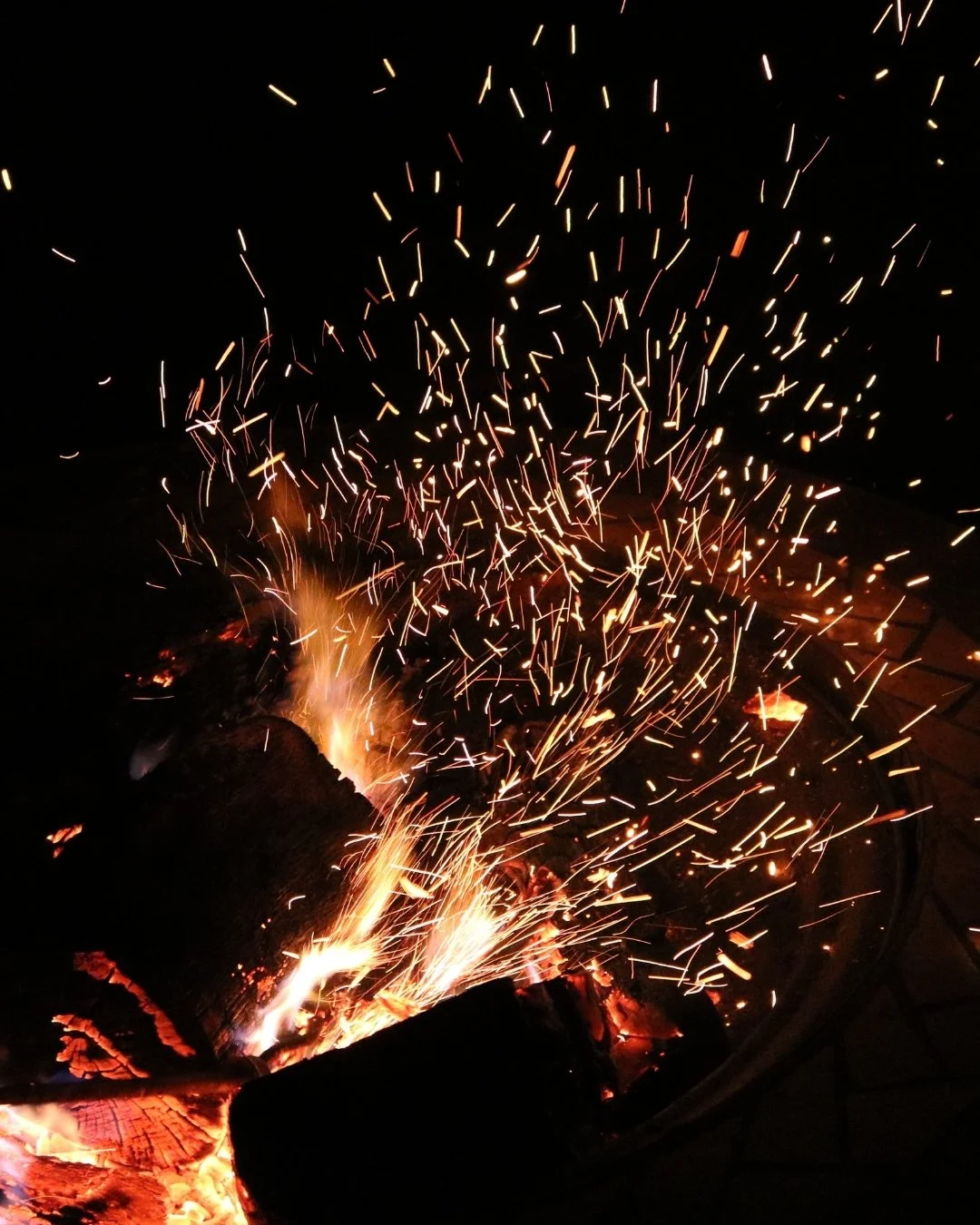
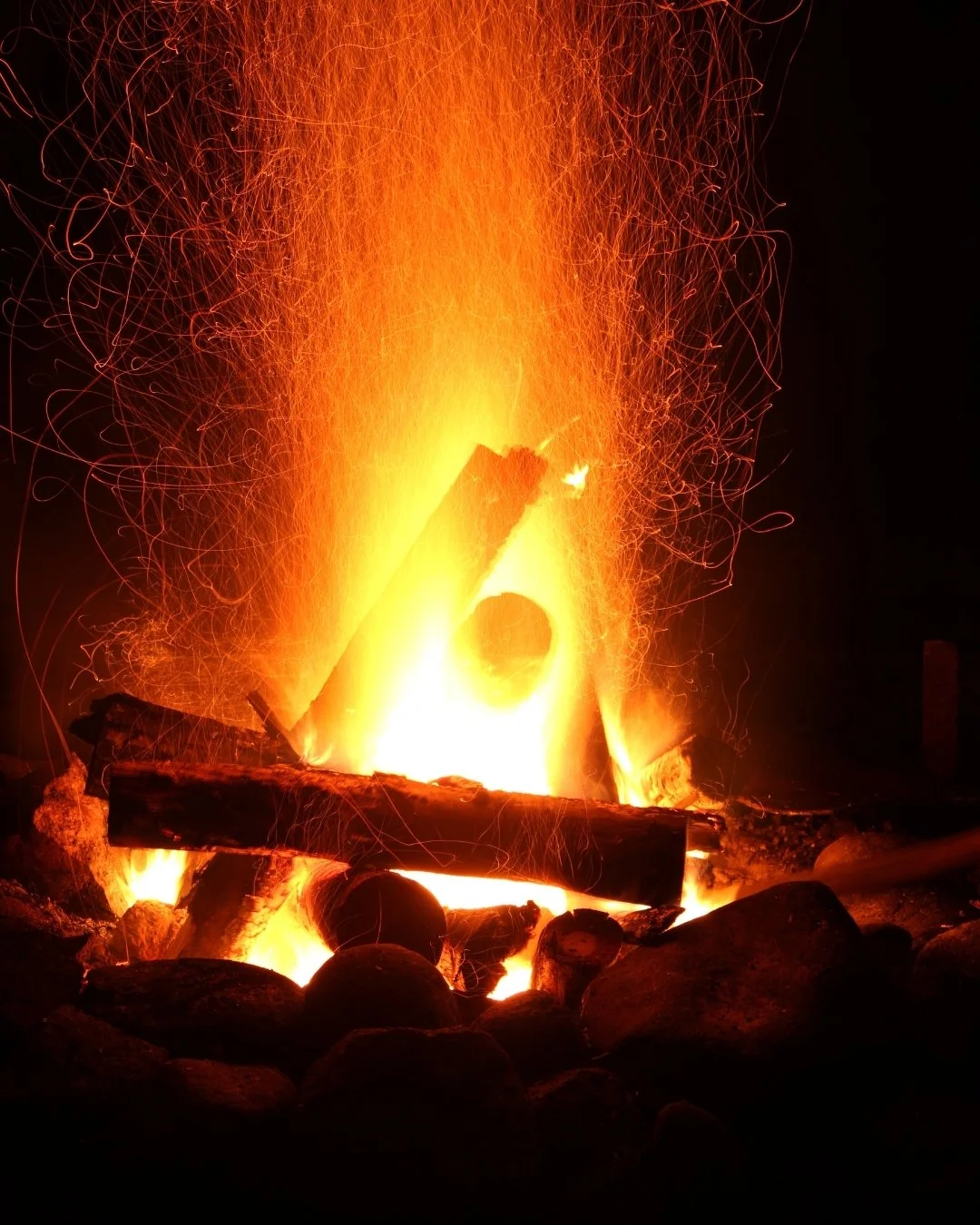
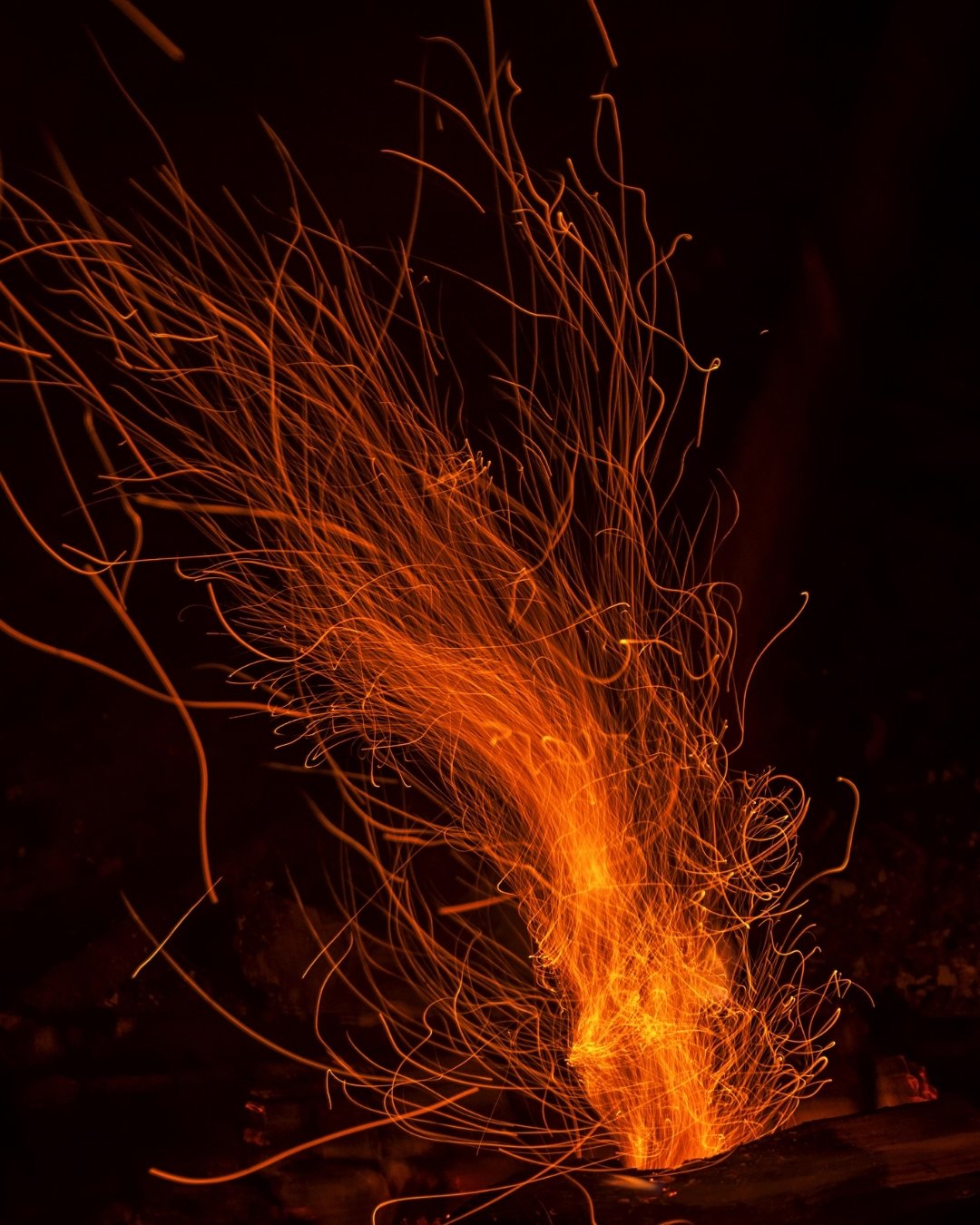
If you want maximum noise and spark production, you're looking at the softwood family. Pine tops the list. Eastern white pine, red pine, pitch pine it doesn't matter which variety you grab around Kingston, Sydenham, and Odessa, they're all going to give you a show. The resin content is high, and those pockets are everywhere throughout the wood. You'll get frequent pops, loud cracks, and sparks that can travel a surprising distance. Cedar's right up there with pine. It's actually worse in some ways because cedar tends to throw bigger sparks. The wood's light and splits easy, which makes it popular for kindling, but that same structure means it fractures dramatically when those resin pockets blow. If you've ever been to a campfire where someone's burning a bunch of cedar scraps, you know the sound. Constant crackling, occasional loud pops, and embers flying everywhere. Spruce is another one. We don't see as much spruce firewood here in Kingston—it's more common up north—but it behaves similarly to pine. High resin, lots of popping. Same story with fir if you run across it. Birch sits somewhere in the middle. It's technically a hardwood, but it pops more than you'd expect. White birch, especially. The bark contains oils that are incredibly flammable, it’s why birch bark makes such a good fire starter even when wet, and the wood itself tends to hold moisture in weird ways. Even when you think it's seasoned, there can be pockets of moisture that cause dramatic popping. I've seen well-seasoned birch throw sparks six feet from an open fire pit.
The Woods That Barely Pop
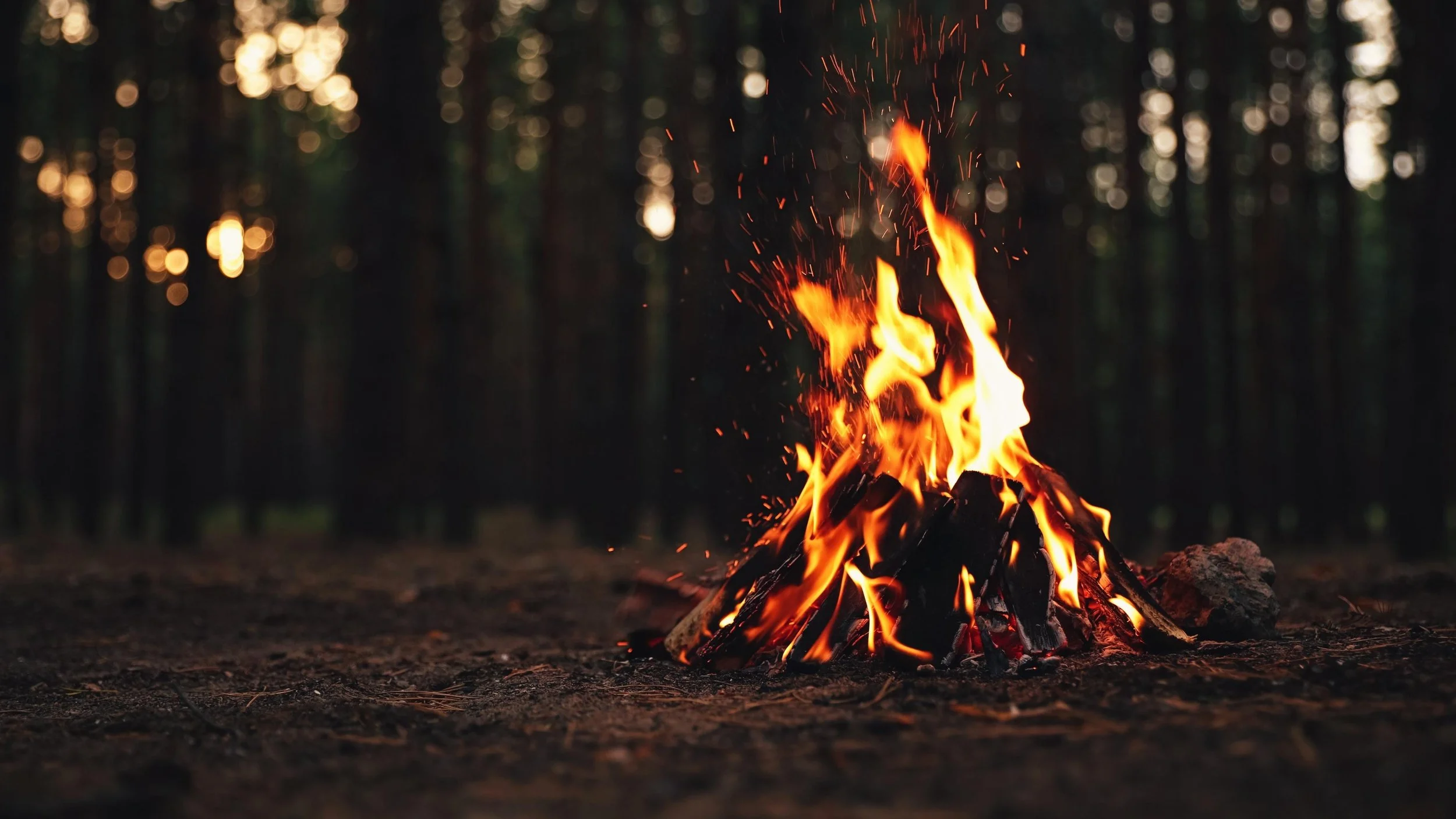
On the flip side, if you want a peaceful fire without the soundtrack, you're looking at properly seasoned hardwoods. Oak is the gold standard. Red oak, bur oak both burn clean and quietly once they're actually dry. The catch is that oak takes forever to season. You're looking at eighteen to twenty-four months minimum, sometimes longer if you're stacking it in a shady spot. But when it's ready, oak just sits there and burns steady. You might get an occasional small pop, but nothing dramatic. Maple's similar. Sugar maple, silver maple, and red maple are all good choices for quiet burning. Maple seasons faster than oak, usually twelve to eighteen months, and they're readily available around Kingston. It's what a lot of us use as our primary heating wood because it delivers good heat without the theatrics. When you're loading up the wood stove at night and heading to bed, you don't want surprises. Ash is probably the quietest hardwood you can burn, and it's got a bonus: it burns decent even when it's not fully seasoned. Ash has naturally lower moisture content than most species. That said, with the emerald ash borer tearing through the area over the past decade, ash is getting harder to find. If you've got access to it, it's excellent firewood that pops very little. Beech is another quiet burner, though we don't see as much of it commercially around here. It's dense, burns hot, and stays calm while doing it. Same with hickory, which is rare in the Kingston area but worth mentioning. Ironwood, or hop hornbeam, is similar and burns forever, barely makes a sound, but it's not something you'll find by the cord.
Why Seasoning Matters More Than Species
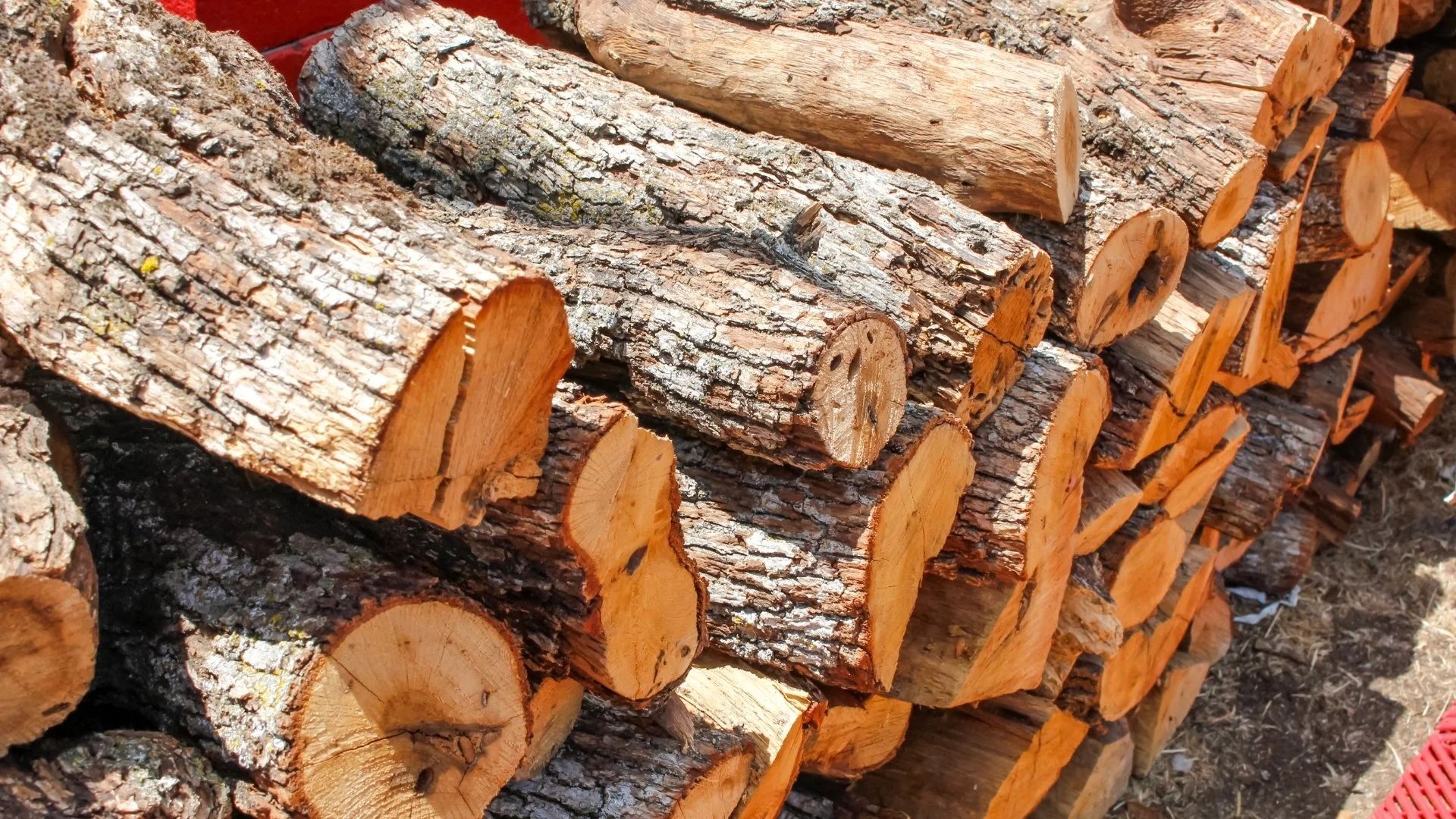
Here's where a lot of people go wrong, especially if you're new to buying firewood in Kingston, Belleville, or Gananoque. Seasoning matters more than almost anything when it comes to how much wood pops. Seasoned firewood means it's been cut, split, and dried for long enough that the moisture content drops below twenty percent. Fresh-cut green wood can be fifty percent moisture or higher. When you burn green wood, all that water has to evaporate before the wood really catches fire, and in the meantime, you get steam, hissing, popping, and a smoky mess that doesn't produce much heat. Properly seasoned hardwood that's been stacked in a dry location with good airflow for twelve to twenty-four months will pop far less than the same species burned green. I've seen people complain that maple or oak is "bad firewood" because it popped and smoked, but when I asked how long it had been seasoned, they'd say "a couple months." That's not seasoned. That's barely started drying. If you're buying seasoned firewood delivered this December and planning to burn it now, make sure you're getting actually seasoned firewood, not green wood that was just cut this fall. A reputable firewood supplier will tell you when it was cut and split. If they can't or won't answer that question, walk away. You'll spend half your time fighting a smoky, popping fire instead of enjoying it.
The only way to know for sure is to use a moisture meter. You can grab one for twenty-five bucks. Split a piece of wood, stick the meter in the fresh split, not the outside, which dries first, and check the reading. If it's showing eighteen percent, you're good. If it's showing twenty-five or thirty percent, that wood needs more time, and it's going to pop when you burn it. Kiln-dried firewood is even better if you can get it. The moisture content on kiln-dried wood is usually under fifteen percent, sometimes under ten percent. Burns clean, burns hot, barely pops at all. More expensive, but worth it if you're burning indoors or want a reliable fire without the fireworks.
The Secret Popping Culprit
Even with well-seasoned hardwood, if there's a lot of bark still on the logs, expect more popping. Bark holds moisture longer than the wood itself, and it doesn't dry out evenly. Those pockets of trapped moisture in the bark will pop and snap when they hit the fire, even if the wood underneath is bone dry. Some people like to strip the bark off for indoor burning. I don't bother with that; it's time-consuming and messy, but if you're particular about minimizing popping in a woodstove or fireplace, removing loose bark from your logs will help. For outdoor fires, bark doesn't matter much. In fact, birch bark is a fantastic fire starter because it's full of oils that ignite easily. Just expect some extra crackling when it goes up.
Indoor vs. Outdoor Firewood Choice
Look, if you're having a fire pit session in your backyard in the middle of winter, which, let's be honest, you've got to be pretty committed because it's cold out there. Popping can actually add to the experience. That crackle and snap, the occasional spark shooting up into the night, it's part of the ambiance. As long as you're a safe distance back and you don't have anything flammable nearby, pine or cedar can make for an entertaining fire.
For camping, softwoods are actually ideal in some ways. They're lighter to carry, they ignite quickly, they burn hot and fast, and they’re perfect for cooking or getting warm in a hurry. The popping and crackling? That's atmosphere. Just make sure you're not sitting too close or wearing synthetic fabrics that can melt if a spark lands on you.
But indoors is a different story. If you're burning in a fireplace or wood stove, you want the quietest wood possible. Even with a screen or glass doors, aggressive popping increases the risk of embers escaping. I've seen scorch marks on hardwood floors, burned carpet, and even a couch cushion situation similar to my buddy's patio incident. It only takes one decent-sized ember landing in the wrong spot.
This is especially true if you've got an older fireplace without tight-fitting glass doors, or if you like to leave the screen open to watch the fire. Don't burn pine or cedar indoors unless you're prepared to babysit it. Stick with seasoned hardwood: oak, maple, ash, if you can find it. The heat output's better anyway, and you can actually relax instead of watching for flying embers.
What Firewood to buy in Loyalist
Around here, you'll find a lot of maple and oak available because that's what grows locally. Both are excellent choices for heating, and when properly seasoned, both are relatively quiet burners. You'll also see poplar and birch mixed in sometimes. Poplar's a softer hardwood that doesn't have great BTU output but seasons faster than oak or maple, about six to twelve months. It'll pop more than maple but less than pine. Cedar shows up occasionally, especially from people clearing land. It's great for kindling and smells amazing, but it's a popping machine. Use it to start your fire, then switch to hardwood once you've got a good coal bed going.
This time of year, with snow on the ground and temperatures dropping, a lot of people are burning through their wood supply faster than expected. If you're buying more firewood mid-winter, give us a call. Wood that's been sitting outside in snow and freezing rain isn't going to burn well, even if it was properly seasoned in the fall. Look for local firewood supply options that stack their firewood under cover, or that can deliver from a dry storage area.
Most firewood Kingston suppliers, Bruce & Sons included, sell hardwood mixes. You'll get a combination of maple, oak, maybe some beech or ash, possibly a bit of birch. The advantage is variety in burn characteristics; some pieces light easier, some burn longer, but you'll also get variety in popping. If you're getting a mixed cord delivered this winter, you can sort it yourself if popping is a concern. Birch is easy to identify by its bark. Anything with white or papery bark, set that aside for outdoor fires or use it as kindling. The darker, heavier pieces are usually oak or maple—that's your indoor fuel. Some folks ask for pure oak or pure maple, which suppliers can usually do for a bit more money. If you're burning exclusively indoors and you want zero surprises, it might be worth it. But honestly, a good hardwood mix from a reputable supplier, properly seasoned, shouldn't give you much trouble.
Practical Advice for This Winter
Since we're mid-December and you're probably burning right now or planning to soon, here's what actually matters. If you've already got wood stacked up, split a piece and check it with a meter if you've got one. If it feels heavy and looks dark on the ends, it's probably still wet. Let it sit inside near your stove for a week before burning; it'll help.
If you're ordering firewood in Kingston, Loyist, or Gananoque soon, ask about moisture content specifically. A good supplier will tell you when it was split and how it's been stored. Wood split last spring and stacked properly should be ready now. Wood split this fall won't be, regardless of what anyone tells you.
For indoor burning through January and February, when you're using the most wood, stick with hardwood. Save any softwood or birch for the shoulder season in March or for outdoor fires. The BTU output on hardwood is better anyway, so you'll use less wood to heat the same space. And if you're planning winter camping trips or fire pit sessions, bring some of that poppy pine or cedar. It lights fast, burns bright, and makes for a lively fire when you're sitting around trying to stay warm. Just keep your chair back a bit and don't wear your good jacket. Pine, cedar, spruce, and birch pop the most. Oak, maple, and ash pop the least. Moisture content matters more than species for most woods. Bark adds extra popping regardless of what you're burning. Match your fuel to your situation—quiet hardwood indoors, whatever you want outdoors.
That's really all there is to it. The rest is just understanding why it happens and deciding what kind of fire experience you're after. Some nights you want that aggressive, crackling, spark-throwing fire. Other nights, you just want steady heat and no drama. Now you know how to get both. Stay warm out there. And if your fire sounds like a string of firecrackers, you know why now and what to do about it next time.
